-

Envie-nos um e-mail
sale@lscmagnetics.com -

Número de contato
+86 -13559234186
Envie-nos um e-mail
sale@lscmagnetics.comNúmero de contato
+86 -13559234186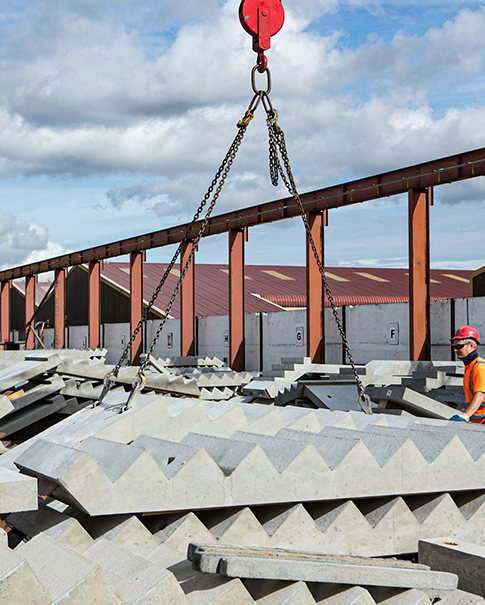


Em 1º de maio de 2026, a China implementou oficialmente uma política de tarifa zero para todos os 53 países africanos com os quais mantém relações diplomáticas, tornando-se a primeira grande economia do mundo a oferecer cobertura tarifária zero completa a todas as nações africanas. O anúncio foi amplamente recebido com satisfação por governos e empresas em toda a África. Essa medida histórica não só permite que produtos agrícolas, minerais e bens industriais leves africanos entrem no vasto mercado chinês a custos mais baixos, como também tem profundas implicações para a indústria de construção pré-fabricada, que está em rápido crescimento na África.
A indústria de construção pré-fabricada na África está em um momento crucial. De acordo com relatórios do setor, ela está passando de uma “implantação oportunista” para uma “construção estratégica e proativa”. Antes vista como uma tecnologia alternativa marginal, a pré-fabricação agora se posiciona como uma solução fundamental para desafios sistêmicos, como a escassez de moradias e as lacunas de infraestrutura. A rápida urbanização, o enorme déficit habitacional e as políticas coordenadas entre governo e setor privado estão impulsionando a construção pré-fabricada de uma “possível opção auxiliar” para uma “necessidade estratégica”.
Ao longo do último ano, a produção de concreto pré-misturado e componentes de concreto pré-moldado Na África, o mercado de concreto pré-moldado registrou um crescimento anual de 9 a 10%. Em 2024, atingiu US$ 34,6 bilhões, com uma taxa de crescimento de 3,7%. Mercados como a Tanzânia apresentaram um crescimento anual ainda maior, de 8,9 a 10,1%. As previsões indicam que o mercado africano de pré-moldados continuará a se expandir a uma taxa de crescimento anual composta (CAGR) de 6,5%. Esses sinais apontam para o setor entrando em uma trajetória de crescimento sustentado.
Embora o setor de construção pré-fabricada já apresentasse certo impulso espontâneo no mercado, a principal força motriz para sua implementação em larga escala é a grave crise habitacional na África. De acordo com a Corporação Financeira Internacional (IFC), a África tem atualmente um déficit habitacional de cerca de 50 milhões de unidades – um número que pode chegar a 130 milhões até 2030. A lacuna total de financiamento estimada é de impressionantes US$ 1,4 trilhão.
Diante de um desequilíbrio tão grande entre oferta e demanda, a construção tradicional em alvenaria não consegue atingir a escala necessária, seja em termos de tempo ou custo. Os métodos convencionais, por si só, não conseguem gerar capacidade suficiente com rapidez suficiente, nem reduzir os custos de forma significativa. As tecnologias de construção pré-fabricada e modular oferecem uma solução clara: mais de 90% de pré-fabricação em fábrica, tempo de construção no local reduzido em mais da metade e qualidade consistente e controlável. Por exemplo, o projeto de edifício de escritórios modular do Grupo CIMC em Camarões foi 90% pré-fabricado em uma fábrica em Guangdong, e o período de construção no local foi apenas metade do tempo necessário com métodos convencionais. Como apontam relatórios do setor, a rápida urbanização, o déficit habitacional, o apoio político e as parcerias público-privadas transformaram a construção pré-fabricada de uma “ferramenta opcional” em uma “necessidade estratégica”.
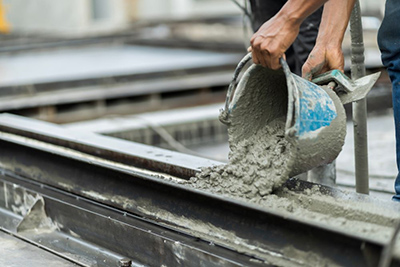
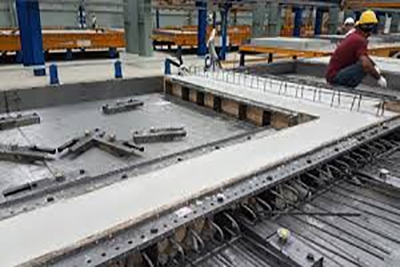
A política de tarifa zero reduz os custos diretos do comércio e tem um efeito catalisador multidimensional na indústria de pré-fabricados da África.
1. Redução significativa nos custos de importação de equipamentos e materiais
A política elimina as tarifas de importação anteriores (que variavam de 0% a 48%) sobre insumos essenciais para fábricas de pré-fabricados, incluindo moldes, equipamentos para linhas de produção, aço, aditivos para concreto e conectores. Combinada com canais verdes e um desembaraço aduaneiro mais eficiente, essa medida reduz significativamente o custo de aquisição de equipamentos e matérias-primas, melhorando as margens de lucro dos projetos.
2. Estabelecimento acelerado de bases industriais na África
Os benefícios diretos da isenção de tarifas encontram eco nas colaborações industriais já existentes entre a China e a África. Por exemplo, em abril de 2026, a Companhia Nacional de Habitação da Zâmbia – uma joint venture entre o Grupo de Cooperação Econômica e Técnica Internacional de Jiangsu, da China, e a Autoridade Nacional de Habitação da Zâmbia – foi oficialmente lançada, com foco na produção de moradias pré-fabricadas. Ela criará mais de 200 empregos locais diretos, além de promover o treinamento de habilidades e a transferência de tecnologia. Projetos semelhantes estão em andamento na Tanzânia e em Camarões.
3. Catalisar a redução de custos e a entrega mais rápida de projetos de infraestrutura e habitação de grande escala.
O projeto GRAND-MBAO no Senegal, liderado pelo Grupo Jiangsu Zhenhuai, compreende 18 edifícios residenciais de cinco andares com um custo total de construção de 680 milhões de RMB, além de uma fábrica de pré-fabricados planejada com um investimento de até US$ 100 milhões. Na Nigéria, o governo federal tornou explicitamente a tecnologia de habitação modular e pré-fabricada um elemento-chave da cooperação estratégica sino-nigeriana, visando aproveitar os sistemas de construção industrial em larga escala da China para suprir o déficit habitacional multimilionário do país.
4. Impulso de exportação de toda a cadeia industrial
A construção pré-fabricada envolve aço, ferragens, produtos químicos, terminais inteligentes, logística complexa e muito mais. Tarifas zero reduzem o custo de exportação de produtos acabados e aceleram a “exportação coletiva” de toda a cadeia de valor. Segundo empresários chineses com longa experiência na África, as empresas chinesas estão cada vez mais interessadas em investir no continente, privilegiando um modelo de “instalação de fábricas na África, produção local, treinamento de funcionários e geração de empregos”.
5. Ativação de PMEs africanas e ecossistemas de produção localizados
O cenário de tarifa zero cria um ambiente institucional mais aberto para o aprofundamento da cooperação industrial entre a China e a África. Autoridades alfandegárias chinesas têm incentivado os países africanos a aproveitarem essa oportunidade para irem além da exportação de matérias-primas e modernizarem suas bases de produção nacionais. A participação de empresas chinesas em programas de capacitação conjunta com universidades locais e órgãos reguladores da construção civil contribui para a integração e internalização da “tecnologia chinesa” como parte de “soluções locais” em termos de padrões de construção e qualidade.
Embora a isenção de tarifas atue como um acelerador, injetando forte impulso na indústria de construção pré-fabricada da África, vários obstáculos práticos permanecem.
Volatilidade cambial – A maioria dos países africanos enfrenta escassez de moeda estrangeira e frequente depreciação cambial, o que afeta diretamente o custo real dos equipamentos importados e pode compensar parcialmente a economia tarifária.
Medidas protecionistas – Nem todos os países africanos adotam integralmente a isenção de impostos sobre importações. Alguns impõem cotas ou impostos adicionais sobre componentes pré-fabricados importados para proteger a indústria nacional.
Janela política curta – A política de tarifa zero está atualmente prevista para dois anos (1º de maio de 2026 a 30 de abril de 2028). Essa janela limitada exige que tanto a China quanto a África maximizem os benefícios da política por meio de rápida implementação industrial e alinhamento institucional.
A lição do modelo de joint venture sino-zambiano é clara: em vez de depender exclusivamente das exportações de produtos, é melhor construir capacidade de produção local na África. Uma vez que as bases industriais possuam capacidade de fabricação, treinamento e pós-venda, as empresas locais ganham uma base sólida para a competição e o crescimento.
O período de implementação de dois anos representa uma janela de oportunidade estratégica com impactos que vão muito além das tarifas.
Curto prazo (2026–2028): aumento do volume de comércio
Espera-se que as exportações chinesas de componentes pré-fabricados para a África aumentem em relação aos EUA.1,58 bilhão em 2025 para os EUA4,2 bilhões em 2028. Enquanto isso, materiais de construção especiais africanos – como pedras do Egito e da África do Sul – entrarão no mercado chinês sem impostos, enriquecendo a cadeia de suprimentos de materiais de construção da China.
Médio prazo (2028–2035): desenvolvimento conjunto de capacidades
As principais empresas chinesas de construção pré-fabricada (por exemplo, China National Building Materials Group, China Wuyi Machinery Group) já estão estabelecendo mais de dez bases de produção regionais na África, formando um ciclo fechado de "fornecimento de matéria-prima na África – fabricação de componentes na África – padrões acordados conjuntamente entre China e África – consumo do produto na África".
Longo prazo (2035+): comunidade industrial
A taxa de penetração da construção industrializada na África deverá aumentar dos atuais ~3% para mais de 12%. A Comunidade Industrial de Edifícios Pré-fabricados China-África poderá se tornar uma referência para a cooperação Sul-Sul, servindo de exemplo para países em desenvolvimento em todo o mundo.
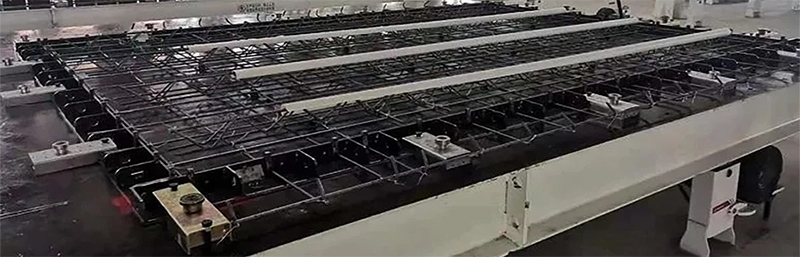
À primeira vista, o benefício da isenção de tarifas parece ser a "economia em frete e impostos". Mas, na essência, trata-se de um motor crucial que impulsiona a indústria de construção pré-fabricada da África rumo à industrialização e à capacidade de construção em larga escala. O vasto mercado africano e suas necessidades urgentes há muito aguardavam essa medida – ambos os lados reconhecem que os modelos tradicionais de transporte de materiais e construção no local não são suficientes para suportar um volume tão grande de projetos, nem capazes de entregar, de forma consistente, edifícios modernos de alta qualidade.
A isenção de tarifas não apenas reduz ainda mais o custo de produtos de construção modular de alta qualidade e soluções de construção avançadas da China, como também demonstra, em ambientes operacionais reais, a eficiência geral do projeto de engenharia, da gestão de materiais de construção e dos padrões de processo chineses para os parceiros africanos. Mais importante ainda, a localização em larga escala de fábricas e o treinamento de trabalhadores locais por empresas de construção chinesas significam que a isenção de tarifas não apenas libera competitividade de custos, mas também promove uma atualização sistemática da estrutura de talentos e das capacidades de gestão em toda a cadeia da indústria da construção na África. Essa é a aceleração mais valiosa que a política de isenção de tarifas traz.
Whatsapp : +86 -13559234186
E-mail : sale@lscmagnetics.com
Telefone : +86 -13559234186