
-

Envie-nos um e-mail
sale@lscmagnetics.com -

Número de contato
+86 -13559234186
Envie-nos um e-mail
sale@lscmagnetics.comNúmero de contato
+86 -13559234186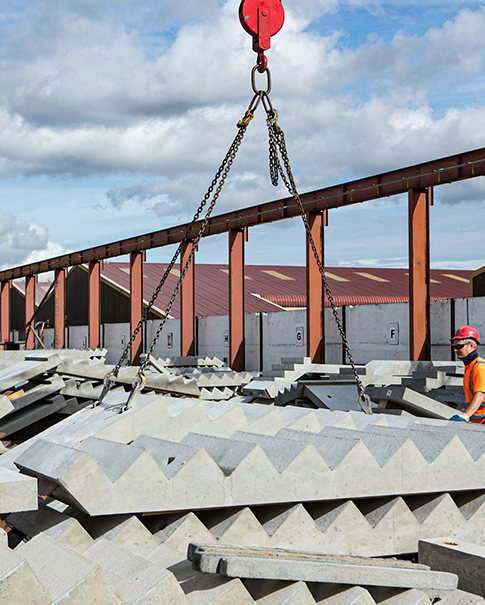

Os detalhes determinam a qualidade: como o chanfro magnético remodela a qualidade das bordas dos painéis pré-fabricados.
Mar 18, 2026Na produção de concreto pré-moldado, a qualidade das bordas é frequentemente o primeiro aspecto notado, porém o detalhe mais negligenciado. Seja para o apelo visual de uma fachada arquitetônica ou para a segurança no manuseio dos componentes na obra, o acabamento das bordas dos painéis desempenha um papel crucial. A introdução da tecnologia de chanfro magnético está mudando fundamentalmente a forma como os fabricantes abordam esse detalhe.
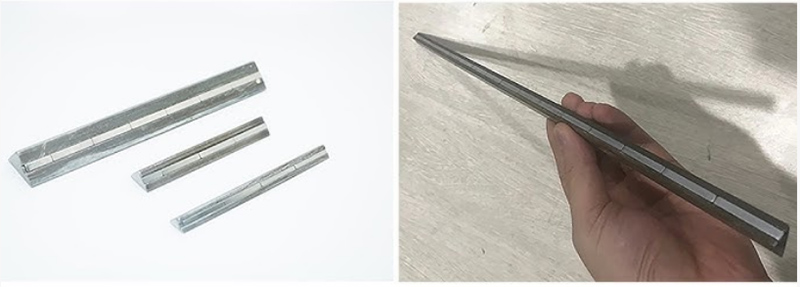
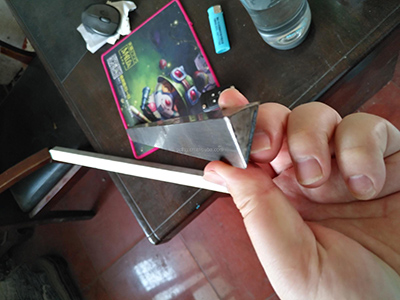
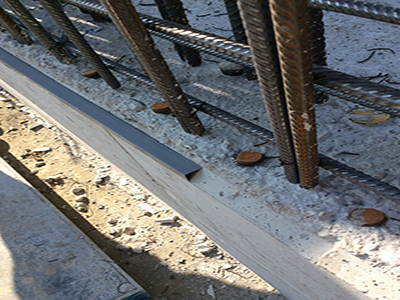
A tira de chanfro magnética é uma ferramenta reutilizável projetada especificamente para a produção de concreto pré-moldado. Com ímãs de neodímio ou borracha integrados, ela se fixa com segurança à fôrma de aço — sem parafusos, solda ou adesivos — para criar um chanfro suave nas bordas de componentes de concreto, como painéis de parede, vigas e colunas. Esse design protege os cantos vivos contra lascas ou rachaduras durante o manuseio, aumentando a durabilidade e a estética do produto final.
Os problemas de qualidade mais frequentes em painéis pré-fabricados incluem lascas nas bordas, bordas ásperas e chanfros inconsistentes. As bordas tradicionais em ângulo reto de 90° apresentam uma fragilidade estrutural inerente: durante a vibração, desmoldagem, içamento e transporte, a tensão se concentra naturalmente nos cantos vivos, tornando-os mais suscetíveis a danos.
O chanfro magnético transforma esse ângulo reto vulnerável em um perfil de bisel controlado, alterando fundamentalmente a distribuição de tensão na borda. Essa otimização geométrica reduz significativamente a concentração de tensão durante a produção e o manuseio, resultando em bordas mais resistentes e duráveis.
Muitos defeitos nas bordas têm origem em pequenas folgas entre o chanfro e a fôrma. Os métodos de fixação tradicionais — como pregos ou adesivos — tendem a se soltar durante a vibração, permitindo que a argamassa de cimento vaze e forme rebarbas e excesso de material antiestéticos e difíceis de remover.
As tiras de chanfro magnéticas mantêm contato contínuo com a fôrma de aço durante todo o processo de concretagem e vibração, graças à sua forte adesão magnética. Essa vedação estável minimiza o vazamento de argamassa, resultando em bordas mais limpas após a desmoldagem e reduzindo significativamente o trabalho de lixamento e reparo na pós-produção.
Um número surpreendente de defeitos nos cantos ocorre não durante a fundição, mas durante a desmoldagem. Os chanfros magnéticos proporcionam um suporte de borda suave e estável, permitindo que os componentes se desprendam uniformemente do molde. Ao minimizar os pontos de travamento e a tensão nas bordas, o risco de lascamento durante a desmoldagem e o içamento é significativamente reduzido.
Além do produto em si, o chanfro magnético melhora a qualidade das bordas por meio de uma otimização mais ampla do sistema de produção:
Trocas de molde mais rápidas, qualidade mais consistente: A instalação tradicional de chanfros pode levar de 15 a 30 minutos por ciclo, e trabalhadores apressados ou fatigados frequentemente comprometem o encaixe. Os chanfros magnéticos são posicionados em segundos, permitindo que os trabalhadores se concentrem na verificação do alinhamento em vez de se esforçarem com a instalação — reduzindo o erro humano.
Vida útil prolongada da plataforma de aço: O método de fixação sem solda e sem furos preserva a planicidade da superfície do molde de aço. Como a qualidade da plataforma determina diretamente a formação do fundo e das bordas do painel, essa "proteção a montante" melhora indiretamente, mas de forma significativa, a qualidade das bordas.
Repetibilidade consistente: Chanfros magnéticos de alta qualidade duram mais de três anos ou mais de 1.000 ciclos. Ao contrário dos chanfros de madeira descartáveis, sua precisão dimensional não se deteriora com o uso, garantindo qualidade de borda consistente na produção em massa a longo prazo.
As tiras chanfradas magnéticas estão disponíveis em duas configurações principais:
Chanfros magnéticos de aço: Fabricados em aço de alta resistência com ímãs de neodímio embutidos, oferecem forte força de fixação. Ideais para fôrmas de alta carga, como vigas e colunas retas, proporcionando a estabilidade necessária para aplicações de precisão.
Chanfros magnéticos de borracha: Fabricados com ímãs de borracha flexíveis, leves e adaptáveis a fôrmas curvas ou irregulares. Adequados para painéis de parede e aplicações reutilizáveis de alto volume.
Os formatos das seções transversais também variam de acordo com a necessidade:
Chanfros triangulares: Definição precisa de bordas para cantos complexos e painéis decorativos.
Chanfros trapezoidais: Maior estabilidade para painéis grandes e bordas longas.
As especificações comuns incluem 10×10mm, 15×15mm e 20×20mm, sendo a seleção dependente da espessura do painel, dos métodos de manuseio e dos requisitos estéticos.
| Cenários de aplicação | Tipo recomendado | Pontos-chave do controle de qualidade |
| Painel de parede pré-fabricado padrão | Chanfro magnético de aço (10×10mm a 20×20mm) | Verifique a vedação do ímã para evitar penetração no concreto e corrosão. |
| Painel curvo/de formato irregular | Chanfro magnético de borracha | Verificação da distribuição uniforme da força magnética após a flexão. |
| Componentes estruturais de alta resistência | Chanfro de aço magnetizado de dupla face | Confirme a força de adsorção dupla do molde lateral e do molde inferior. |
| Painel de concreto aparente | chanfro magnético em aço inoxidável | O polimento da superfície deve atender aos requisitos de acabamento espelhado para a desmoldagem. |
Na produção de componentes pré-fabricados, a qualidade das bordas está longe de ser um detalhe insignificante — ela afeta diretamente a aparência visual, a segurança no manuseio e os custos de retrabalho. As tiras de chanfro magnético resolvem as causas principais da maioria dos defeitos de borda na fase de moldagem, oferecendo às fábricas de pré-fabricados um caminho prático para uma maior qualidade do produto. Para instalações modernas que buscam eficiência e excelência, o chanfro magnético representa não apenas uma atualização de ferramenta, mas um componente essencial de um sistema robusto de controle de qualidade.
Whatsapp : +86 -13559234186
E-mail : sale@lscmagnetics.com
Telefone : +86 -13559234186