-

Envie-nos um e-mail
sale@lscmagnetics.com -

Número de contato
+86 -13559234186
Envie-nos um e-mail
sale@lscmagnetics.comNúmero de contato
+86 -13559234186

Um pedaço aparentemente insignificante de arame de amarração para vergalhões representa, na verdade, um sofisticado processo de metalurgia. Transformar vergalhões de aço de baixo carbono em arame de amarração fino e flexível para construção exige múltiplas etapas de precisão — trefilação, recozimento, decapagem, aplicação de fluxo e galvanização — cada uma delas rigorosamente controlada para garantir qualidade consistente. Este artigo leva você para dentro da linha de produção de arame de amarração para revelar todo o processo de fabricação por trás do que poderia ser chamado de "fio condutor" que mantém o concreto armado unido.
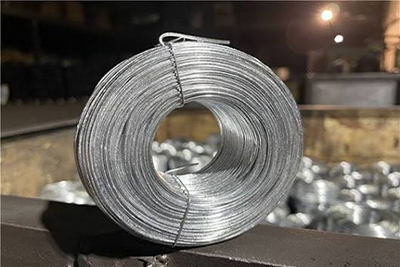
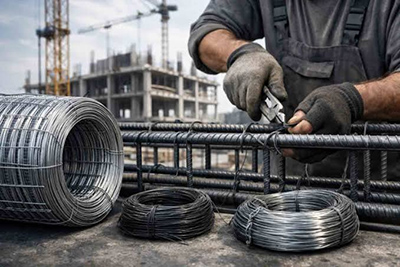
A matéria-prima para arame de amarração de vergalhão É um fio-máquina de aço de baixo carbono de alta qualidade, com graus comuns incluindo Q195, Q235, 1006 e 1008. O diâmetro do fio-máquina é tipicamente de 6,5 mm, com um teor de carbono inferior a 0,25%. Esse baixo teor de carbono confere ao produto final excelente resistência e ductilidade — afinal, os trabalhadores da construção civil precisam dobrar e amarrar o fio-máquina manualmente no local da obra, e um fio muito rígido ou muito quebradiço seria inutilizável na prática.
Ao chegarem à fábrica, as matérias-primas passam por uma rigorosa inspeção de qualidade: análise da composição química, verificação da qualidade da superfície e verificação dimensional para garantir que não haja defeitos como rachaduras, dobras ou irregularidades. Somente os fios-máquina certificados seguem para a próxima etapa de produção.
O fio-máquina entra primeiro na máquina de trefilação, que utiliza diferenças de velocidade entre rolos e uma série de matrizes de trefilação com aberturas progressivamente menores para reduzir gradualmente o fio de aço de 6,5 mm até o diâmetro desejado.
Para arame de amarração de vergalhões, as especificações mais comuns são de calibre 20 a 22 (diâmetro aproximado de 0,71 mm a 0,89 mm). Durante o processo de trefilação, aplica-se um pó de trefilação na superfície do arame de aço como lubrificante, desempenhando três funções principais:
Redução do atrito e resfriamento — minimização do calor gerado pelo atrito entre a matriz e o fio de aço.
Proteção das matrizes — prolongando a vida útil das matrizes de trefilação.
Melhoria da qualidade da superfície — garantindo um acabamento liso e sem riscos no fio de aço.
Reduzir o diâmetro de 6,5 mm para 0,7 mm não pode ser feito em uma única passagem. Em vez disso, é necessário um processo de trefilação em múltiplas passagens, com a taxa de redução cuidadosamente controlada em cada passagem para diminuir gradualmente o diâmetro. O processo é semelhante à extrusão de macarrão — cada vez que o fio passa por uma matriz mais fina, ele se torna mais fino, mais longo e mais rígido.
Após a trefilação a frio, a estrutura cristalina interna do fio de aço sofre distorções severas. Isso aumenta a dureza do fio e diminui sua plasticidade, tornando-o duro e quebradiço. Nesse estado, o fio é completamente inadequado para amarrar vergalhões. Portanto, o recozimento é essencial.
3.2 Processo de Recozimento Contínuo
O fio de aço passa por um forno de recozimento contínuo a gás natural, onde a temperatura de aquecimento é normalmente controlada entre 450°C e 800°C.
O princípio do recozimento consiste em aquecer o fio acima de sua temperatura crítica, mantê-lo nessa temperatura por um período de tempo e, em seguida, resfriá-lo lentamente. Esse processo causa a recristalização da estrutura interna do metal, eliminando as tensões internas causadas pelo encruamento, reduzindo significativamente a dureza e melhorando a plasticidade e a tenacidade.
Após o recozimento, o fio de aço torna-se macio e elástico — os trabalhadores conseguem dobrá-lo e dar-lhe nós facilmente com as mãos — mantendo ainda uma resistência à tração suficiente (aproximadamente 300–500 MPa).
O fio de aço recozido emerge muito quente e deve ser imediatamente resfriado em um banho de água fria. A água de resfriamento é normalmente reciclada, resfriada por meio de uma torre de resfriamento e, em seguida, reutilizada — uma configuração que é eficiente em termos energéticos e ecologicamente correta.
4.2 Decapagem para Remoção de Ferrugem
Após o resfriamento, forma-se uma camada de óxido (óxido de ferro) na superfície do fio de aço. Se não for removida, essa camada comprometerá seriamente a aderência do revestimento galvanizado subsequente. Portanto, o fio de aço é imerso em um tanque de decapagem, geralmente contendo uma solução de ácido clorídrico de 18% a 30%.
O tempo de decapagem é controlado de acordo com o grau de oxidação e geralmente não ultrapassa 30 minutos à temperatura ambiente. O tanque de decapagem é normalmente equipado com uma cortina d'água para evitar vazamentos de névoa ácida, protegendo tanto o ambiente da oficina quanto a saúde dos trabalhadores.
4.3 Enxágue com água
Após a decapagem, resíduos de ácido permanecem na superfície do fio de aço e devem ser completamente removidos com água limpa. Esta etapa é crucial, pois o ácido residual corrói a camada de zinco, comprometendo a qualidade da galvanização.
O fio de aço lavado entra no banho de fluxo, onde é imerso em fluxo (normalmente uma formulação sem amônia) a uma temperatura controlada entre 60°C e 70°C.
O fluxo serve a três propósitos:
Ativação adicional da superfície do fio de aço através da remoção de vestígios de óxidos.
Forma-se uma película protetora na superfície do fio de aço para evitar a reoxidação antes da entrada no banho de zinco.
Melhorar a molhabilidade do banho de zinco no fio de aço, garantindo uma adesão uniforme do revestimento de zinco.
O fio de aço revestido com fluxo entra então na câmara de secagem (aquecida eletricamente, a 120 °C–180 °C), onde a umidade da superfície é completamente evaporada e a temperatura do fio é elevada. Esta etapa é crucial — se a superfície do fio de aço permanecer úmida ou a temperatura estiver muito baixa, ocorrerá um violento respingo de zinco ao entrar no banho de zinco em alta temperatura, criando um risco à segurança e um consumo desnecessário de zinco.
O arame para amarração de vergalhões é dividido em duas categorias principais com base no tratamento de superfície: arame preto recozido e arame galvanizado. O arame galvanizado é ainda classificado como galvanizado a quente ou eletrogalvanizado.
6.1 Processo de Galvanização por Imersão a Quente
A galvanização por imersão a quente consiste em mergulhar o fio de aço decapado em zinco fundido a aproximadamente 500°C, permitindo que o zinco forme uma ligação metalúrgica com o substrato de aço.
As características da galvanização por imersão a quente são:
Espessura da camada de zinco: Mínimo de 45 micrômetros, podendo chegar a mais de 300 micrômetros.
Gramatura do revestimento de zinco: até 300 g/m²
Alta resistência à corrosão: A camada de zinco forma uma camada intermetálica com o substrato, permitindo décadas de serviço em ambientes externos.
Aparência: Acabamento cinza-prateado mais escuro
O arame galvanizado a quente é o material de amarração mais utilizado na construção civil, sendo especialmente adequado para projetos ao ar livre, ambientes úmidos e outras aplicações com altos requisitos de resistência à corrosão.
6.2 Processo de eletrogalvanização
A galvanização eletrolítica deposita íons de zinco na superfície do fio de aço através do fluxo direcional de corrente elétrica em um banho de eletrodeposição. Suas características são:
Camada fina de zinco: Normalmente apenas 3–15 micrômetros.
Aparência brilhante: Acabamento branco prateado altamente reflexivo
Velocidade de produção mais lenta, porém com um revestimento mais uniforme.
Resistência à corrosão relativamente mais fraca: a ferrugem pode aparecer dentro de alguns meses a um ou dois anos.
O fio eletrogalvanizado é usado principalmente em construções internas, artesanato, embalagens e aplicações de amarração, onde os requisitos de resistência à corrosão são menos exigentes.
O fio de aço galvanizado é resfriado por têmpera em água ou por resfriamento a ar. Alguns produtos de alta qualidade passam por um tratamento adicional de passivação, que forma uma película densa de óxido na superfície da camada de zinco para aumentar ainda mais a resistência à corrosão.
7.2 Enrolamento e ajuste de comprimento
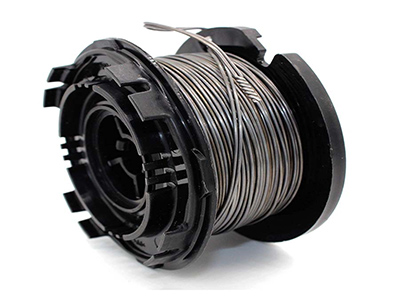
O fio de aço resfriado é enrolado em bobinas por uma máquina de enrolamento automática. Podemos produzir bobinas de diversas espessuras, de acordo com as necessidades do cliente.
Bobinas pequenas: 1–25 kg, adequadas para manuseio manual.
Bobinas médias: 25–100 kg
Bobinas grandes: 100–1000 kg, adequadas para operações de construção mecanizadas.
Para arame de amarração na construção civil, o método de embalagem mais comum é uma película plástica interna com proteção externa de juta ou saco tecido — a película plástica oferece proteção contra umidade, enquanto a camada externa oferece proteção mecânica durante o transporte e armazenamento.
7.3 Inspeção de Qualidade
Cada lote de arame de encadernação acabado passa por uma inspeção rigorosa:
Medição do diâmetro: Garante diâmetro uniforme do fio, com tolerância controlada em ±0,01 mm.
Teste de resistência à tração: Verifica a dureza e flexibilidade adequadas.
Inspeção da espessura do revestimento de zinco: O arame galvanizado a quente deve atender ao requisito de peso de revestimento especificado.
Inspeção de qualidade da superfície: Sem falhas na camada de revestimento, sem rachaduras, sem ferrugem.
Teste de flexibilidade: Dobra repetida sem torção ou quebra
| Tipo | Características do processo | Aparência | Aplicações típicas |
| Fio preto recozido | Recozido e revestido com óleo antiferrugem. | Acabamento preto brilhante | Projetos de curto prazo para ambientes internos, aplicações de baixo custo |
| Arame galvanizado a quente | Revestimento espesso de zinco | Cinza-prateado, relativamente escuro | Projetos ao ar livre, ambientes úmidos, proteção contra corrosão a longo prazo |
| Fio eletrogalvanizado | Camada fina de zinco eletrodepositado | Branco prateado brilhante | Projetos para ambientes internos, amarração leve, artesanato. |
| Fio revestido de PVC | Revestimento externo de plástico | Disponível em várias cores. | Aplicações especiais de proteção contra corrosão e codificação por cores |
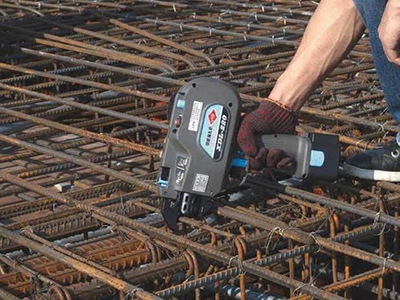
Na construção civil, o arame galvanizado a quente de calibre 22 (0,71 mm) é a especificação mais comum para amarrar vergalhões. Ele é flexível, resistente à quebra e representa a escolha ideal para amarrar vergalhões no local da obra.
No mundo do concreto armado, o arame de amarração não suporta cargas estruturais, mas desempenha um papel essencial como uma "costura": ele fixa firmemente a malha de vergalhões entrelaçada, garantindo que as posições dos vergalhões permaneçam estáveis durante a concretagem e que a estrutura do edifício permaneça sólida. Da próxima vez que você passar por uma obra e observar os operários amarrando habilmente os vergalhões com arame de amarração, reflita sobre a complexa técnica e o conhecimento de engenharia por trás desse material simples, porém indispensável.
Whatsapp : +86 -13559234186
E-mail : sale@lscmagnetics.com
Telefone : +86 -13559234186