
-

Envie-nos um e-mail
sale@lscmagnetics.com -

Número de contato
+86 -13559234186
Envie-nos um e-mail
sale@lscmagnetics.comNúmero de contato
+86 -13559234186

Uma análise abrangente dos ímãs do obturador
Feb 04, 2026Na indústria de concreto pré-moldado, os métodos tradicionais de fixação de fôrmas não são apenas demorados e trabalhosos, mas também podem danificar as caras estruturas de aço para moldagem. Existe uma solução eficiente e não destrutiva? A resposta é o ímã para fôrmas. Essa ferramenta revolucionária está transformando a fixação de fôrmas, acelerando significativamente os ciclos de produção.
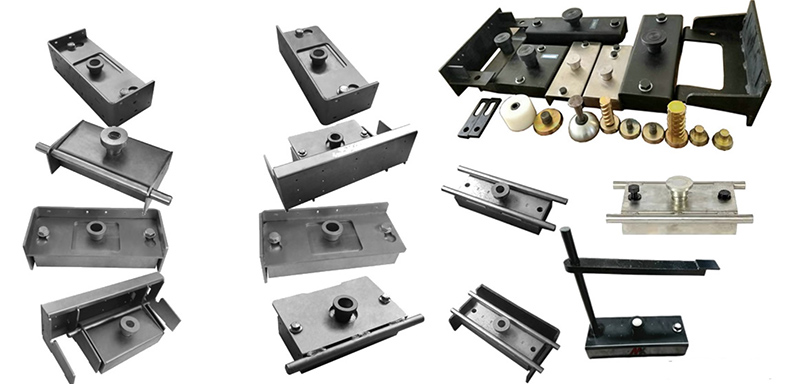
O que é um Ímã de obturador?
Um eletroímã de fôrma, também conhecido como caixa magnética ou ímã de caixa, é uma ferramenta padrão usada para fixar com segurança fôrmas, trilhos laterais e outros componentes em bases de aço para moldagem de concreto pré-moldado. Seu núcleo consiste em uma robusta carcaça de aço que abriga um conjunto de ímãs de neodímio de alto desempenho. Ao contrário dos métodos mais antigos que exigiam soldagem ou perfuração, ele permite uma fixação magnética potente e não destrutiva, protegendo a superfície de trabalho e permitindo ajustes e liberações rápidos.
Entendendo o princípio de funcionamento: a chave para o sucesso.
1. Princípio básico:
Os ímãs de obturador funcionam como um interruptor liga/desliga para a força magnética. Quando ativados, o conjunto de ímãs internos se engata, criando uma forte atração direta sobre a superfície de aço limpa. Essa fixação puramente magnética dispensa parafusos, soldas ou travas mecânicas.
2. A necessidade crucial de contato direto:
A força de retenção máxima só é alcançada com contato direto e completo entre a base do ímã e a estrutura de aço. Qualquer contaminante — resíduo de concreto, ferrugem, tinta ou detritos — atua como uma folga. Ao contrário de uma conexão aparafusada, a força magnética não consegue "atravessar" tais obstáculos; mesmo pequenas folgas reduzem drasticamente o desempenho.
3. Como os espaços de ar neutralizam o ímã:
A força magnética diminui exponencialmente com a distância. Uma folga de apenas 1 a 2 mm pode reduzir a força de retenção efetiva em 50% ou mais. É por isso que um ímã com capacidade para 1800 kg pode falhar em campo. A vibração pode agravar essas folgas, levando a um deslocamento súbito e perigoso da fôrma.
Guia de Instalação em Seis Etapas para Fixação Segura
1. Preparação da Superfície (Etapa Mais Crítica): Limpe cuidadosamente a base do ímã e a estrutura de aço. Remova toda a poeira, óleo, graxa e resíduos de concreto endurecido. Isso garante o contato metal-metal.
2. Posicionamento da fôrma: Posicione todos os trilhos laterais, batentes e demais componentes da fôrma com precisão sobre a base, de acordo com os desenhos de projeto.
3. Posicionamento do ímã e uso do adaptador: Posicione o ímã da persiana contra a fôrma. Se a fixação for em materiais não ferrosos (por exemplo, madeira, alumínio), primeiro fixe o adaptador não magnético apropriado nos pontos de montagem do ímã.
4. Ativação e Travamento: Pressione firmemente a alavanca ou o botão de ativação. Você deverá ouvir/sentir um estalo seco, indicando que os ímãs internos estão totalmente engatados e as folgas foram eliminadas. Sempre realize um **teste de tração manual** para confirmar o travamento seguro.
5. Concretagem e Cura: Prossiga com a concretagem e vibração. O design do ímã garante estabilidade contra vibrações comuns em obras.
6. Desativação e remoção seguras: Após a cura do concreto, utilize a ferramenta de liberação (alavanca) específica para desativar o campo magnético. Nunca tente remover o ímã à força. Limpe o ímã imediatamente após a remoção.
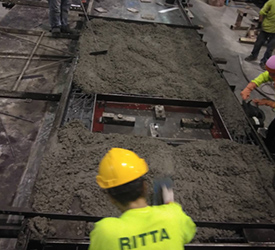
Evitando erros de instalação comuns e dispendiosos
A instalação inadequada pode levar a rupturas das fôrmas, imprecisões dimensionais e graves acidentes de segurança. Os erros mais frequentes decorrem da negligência dos princípios fundamentais mencionados acima.
| Categorias de erros | Riscos principais | Principais ações corretivas |
| Limpeza inadequada | A capacidade de adsorção é extremamente insuficiente, ocorrendo deslocamento do molde. | Limpe cuidadosamente ambos os lados antes da instalação para garantir que não restem partículas de óleo ou sujeira. |
| Layout ineficiente | Deformação localizada do molde, dimensões dos componentes fora da tolerância. | Com base em cálculos mecânicos, o layout é otimizado com maior densidade nos cantos finais para garantir quantidade suficiente. |
| Sequência de operações incorreta | Danos ao equipamento, dificuldade de ajuste, danos durante a desmontagem. | Siga rigorosamente a sequência "posicionamento → ajuste → ativação" e utilize uma ferramenta específica para a remoção. |
| Negligenciar a manutenção e a inspeção. | Uma falha repentina representa riscos significativos à segurança. | Inspecione regularmente a placa de base quanto a desgaste e peças mecânicas, e teste a força magnética. |
| Consciência insuficiente de segurança | Lesão por esmagamento, ser atingido por um objeto | Use luvas de proteção e verifique se a fechadura está segura após o travamento. |
Princípio fundamental a lembrar:
A confiabilidade de um eletroímã de vedação depende não apenas de sua potência magnética, mas também de superfícies de contato absolutamente limpas, um posicionamento calculado com base na pressão do concreto e a estrita observância do procedimento operacional correto. Evitar esses erros comuns é essencial para a segurança, a eficiência e a perfeita qualidade do produto pré-fabricado.
Whatsapp : +86 -13559234186
E-mail : sale@lscmagnetics.com
Telefone : +86 -13559234186